Research Day 2026 Speakers
Welcome Speaker
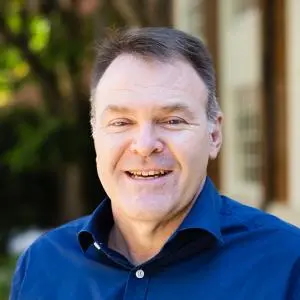
Brian L. Smith
Professor, Senior Associate Dean for Research & Faculty Affairs, UVA
Brian L. Smith, PE is a leader in advanced technology in surface transportation systems. His research has contributed to innovations such as mobile phone navigation systems and urban freeway management that has led to revolutionary improvements in travel experience. His primary research interests are in transportation systems engineering, focusing on sustainability, connected and automated vehicle systems, and advanced transportation management. Dr. Smith has published transportation-related research in the areas of cooperative systems, probe-based traffic monitoring, statistical modeling, traffic flow theory, data mining, geographic information systems (GIS), and artificial intelligence. He regularly provides advice and guidance to transportation leaders at the state and national levels, as well as in industry. Dr. Smith has taught courses on transportation engineering, civil engineering design, systems engineering, geographic information systems, and construction engineering.
Dr. Smith was elected as a Fellow of the American Society of Civil Engineers (ASCE) in 2009, and is also a recipient of the 2006 ASCE Huber Research Award, 2004 Council of University Transportation Center’s New Faculty Award, an National Science Foundation (NSF) CAREER award, an Eno Transportation Leadership Fellow, a 2001-2002 University of Virginia Teaching Fellow, and a selected participant in the 2000 NAE Symposium on Frontiers of Engineering. He is an associate editor of the ASCE Journal of Transportation Engineering. He is also the author of a chapter on Transportation Management in the text "Intelligent Transportation Primer."
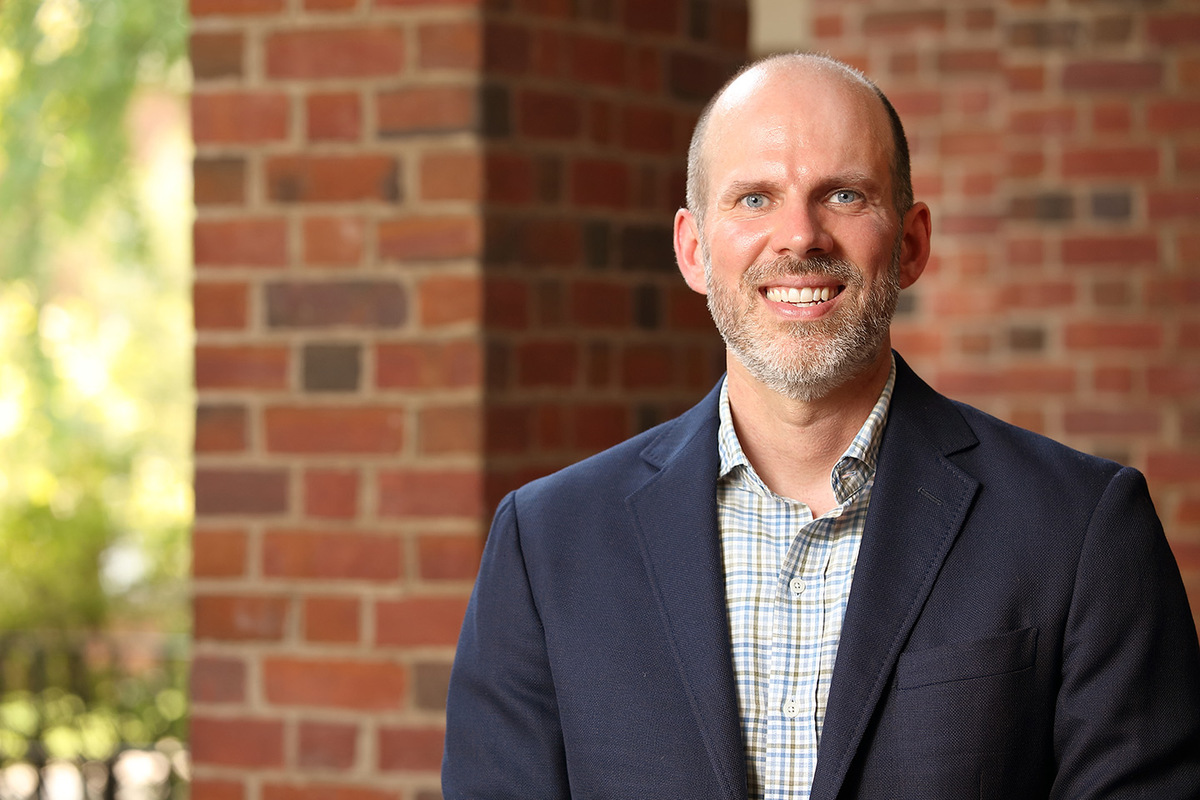
Jonathan Goodall
Professor, Civil and Environmental Engineering and Link Lab Director - UVA
Jonathan Goodall is a Professor in the Department of Civil and Environmental Engineering at the University of Virginia (UVA) and Director of the UVA Engineering LINK LAB. He is a water resources engineer working to advance the field of hydroinformatics where data and computational sciences are used to improve the understanding, forecasting, and management of water systems. Much of his current work focuses on adapting techniques from cyber-physical systems for real-time flood mitigation in coastal urban communities experiencing sea level rise impacts. Professor Goodall leads the HYDROINFORMATICS RESEARCH GROUP housed in the Link Lab, co-directs the UVA PUBLIC INTEREST TECHNOLOGY UNIVERSITY NETWORK (PIT-UN), is a member of UVA's Pan-University ENVIRONMENTAL RESILIENCE INSTITUTE steering committee, and is an affiliated faculty member of the CENTER FOR TRANSPORTATION STUDIES. Professor Goodall is a registered Professional Engineer (PE), a Fellow of the American Society of Civil Engineers, and an elected member of the Virginia Academy of Science, Engineering, and Medicine. He earned his Ph.D. and M.S. in Civil Engineering from the University of Texas at Austin and his B.S. in Civil Engineering from the University of Virginia.
Keynote Speaker
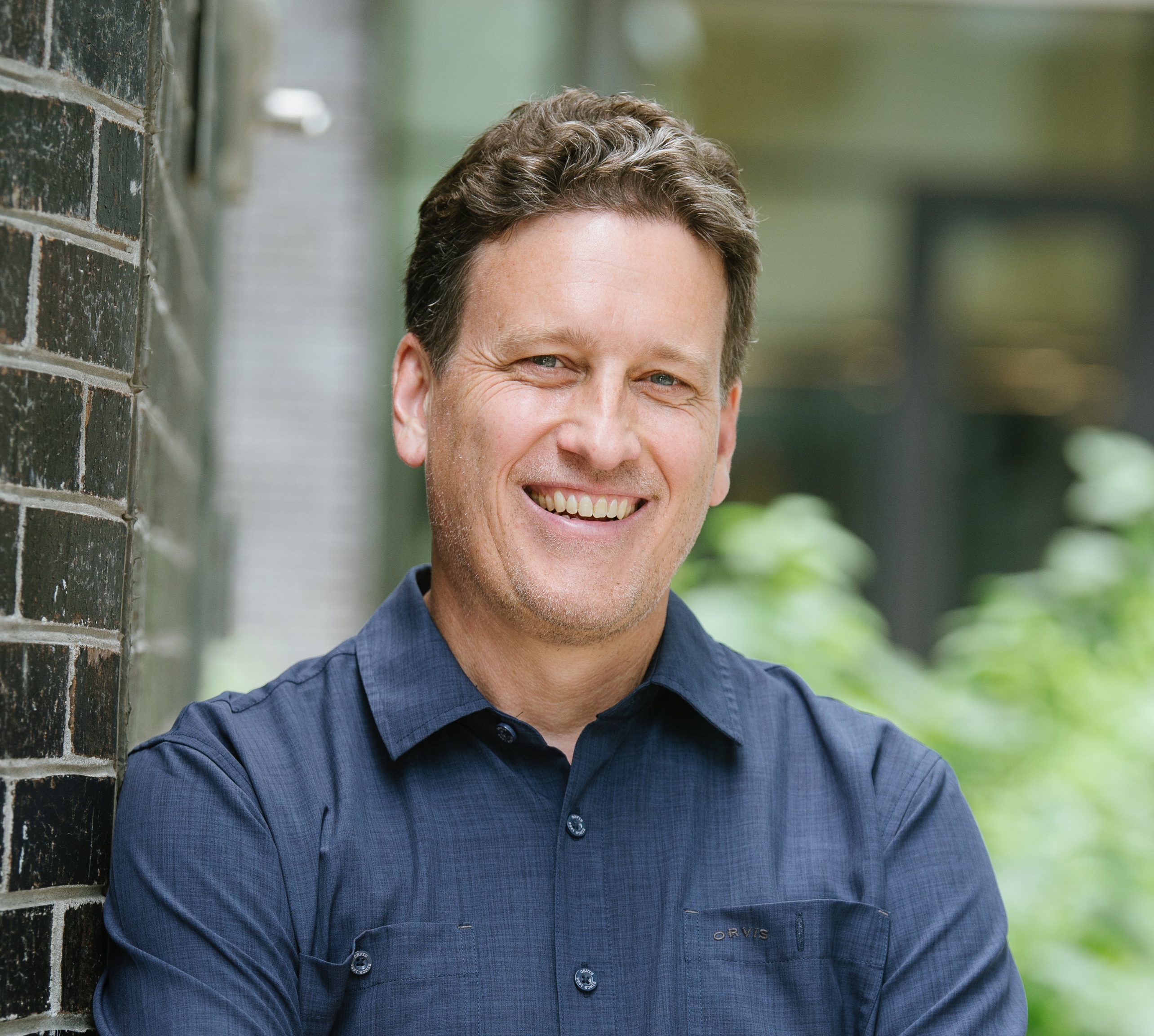
David Luebke
Vice President of Graphics Research, NVIDIA
Dr. David Luebke helped found NVIDIA Research in 2006 after eight years on the faculty of the University of Virginia. Luebke received his Ph.D. under Fred Brooks at the University of North Carolina in 1998. His principal research interests are computer graphics, generative neural networks, and virtual reality. Luebke is a Fellow of the IEEE and an inaugural inductee into the IEEE VR Academy. His other honors include the NVIDIA Distinguished Inventor award, the IEEE VR Technical Achievement Award, and Test of Time Awards at ACM SIGGRAPH Asia and the ACM Symposium on Interactive 3D Graphics. Dr. Luebke has co-authored a book, a major museum exhibit, and over two hundred papers, articles, chapters, and patents. Luebke is currently Vice President of Research at NVIDIA, where he runs a group of about 35 researchers focused on "New Experiences".
Panelists

Yen-Ling Kuo
Assistant Professor, Computer Science, Anita Jones Faculty Fellow, Link Lab, UVA
Yen-Ling Kuo is an Assistant Professor in Computer Science and a member of the Link Lab at the University of Virginia. Her research interests lies in the intersection of artificial intelligence and cognitive science with a focus on integrating them into robotic systems. Her work develops machine learning models that provide robots with generalizable reasoning skills to interact with humans including language understanding, social interactions, and common sense reasoning.
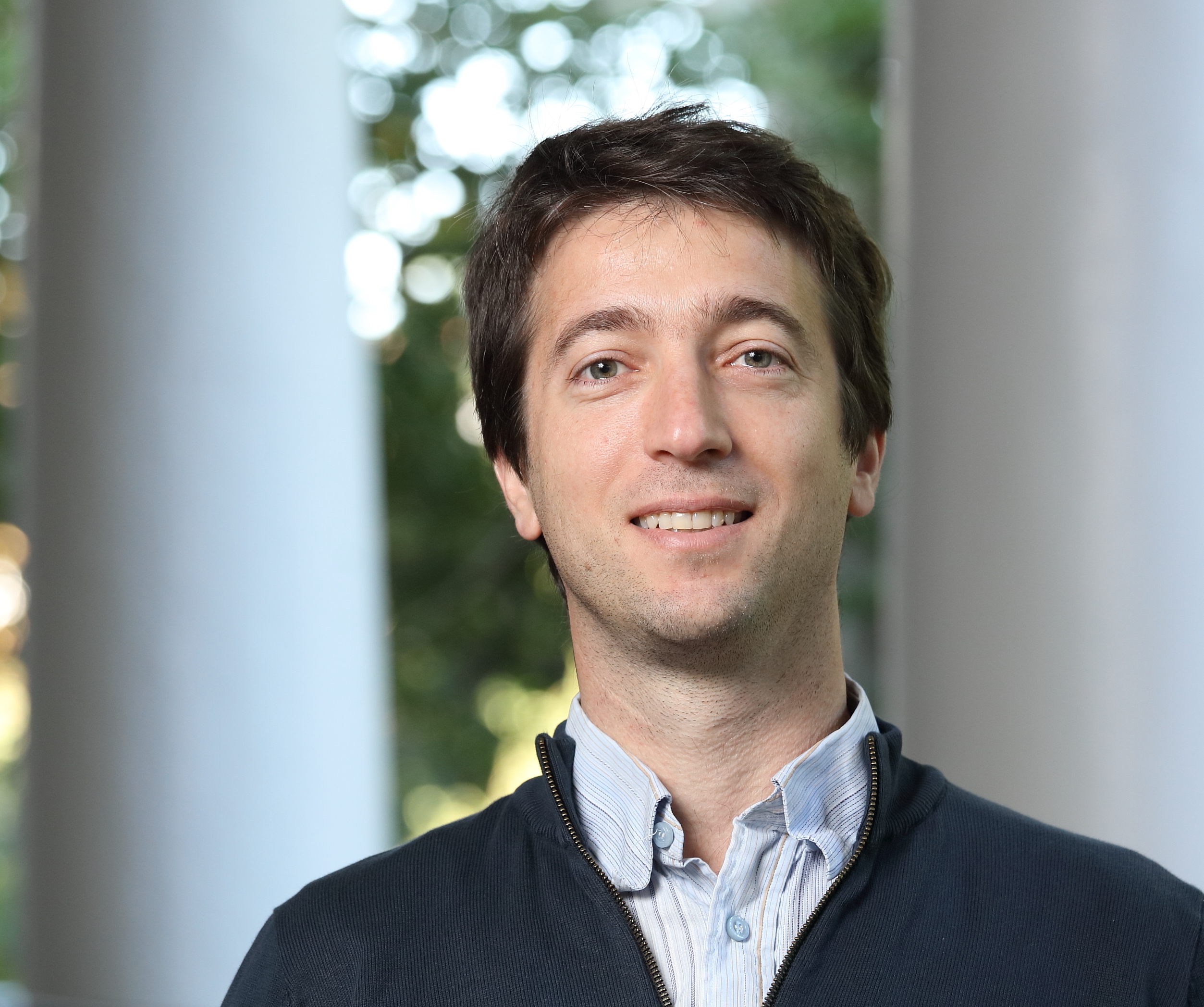
Sebastian Elbaum
Professor, Computer Science, Co-Lead for Engineering Safe Software (LESS Lab), UVA
Sebastian Elbaum is a Professor in the Department of Computer Science at the University of Virginia where he co-leads the Lab for Engineering Safe Software (LESS Lab). He aims to build safe autonomous systems. He is the recipient of an NSF Career Award, an IBM Innovation Award, a Google Faculty Research Award, Amazon Scholar, an FSE Test of Time Award, five ACM SigSoft Distinguished Paper Awards, and multiple best paper awards. He regularly serves in program committees at the top software engineering and robotic conferences, and has served as Program Co-Chair for ISSTA, ESEM, and ICSE, and as Steering Committee Chair for ICSE. He is also an Adjunct Senior Fellow for Emerging Computing Technologies at the Council on Foreign Relations connecting autonomous systems and AI with policy in national security. He is an ACM Fellow and an IEEE Fellow.
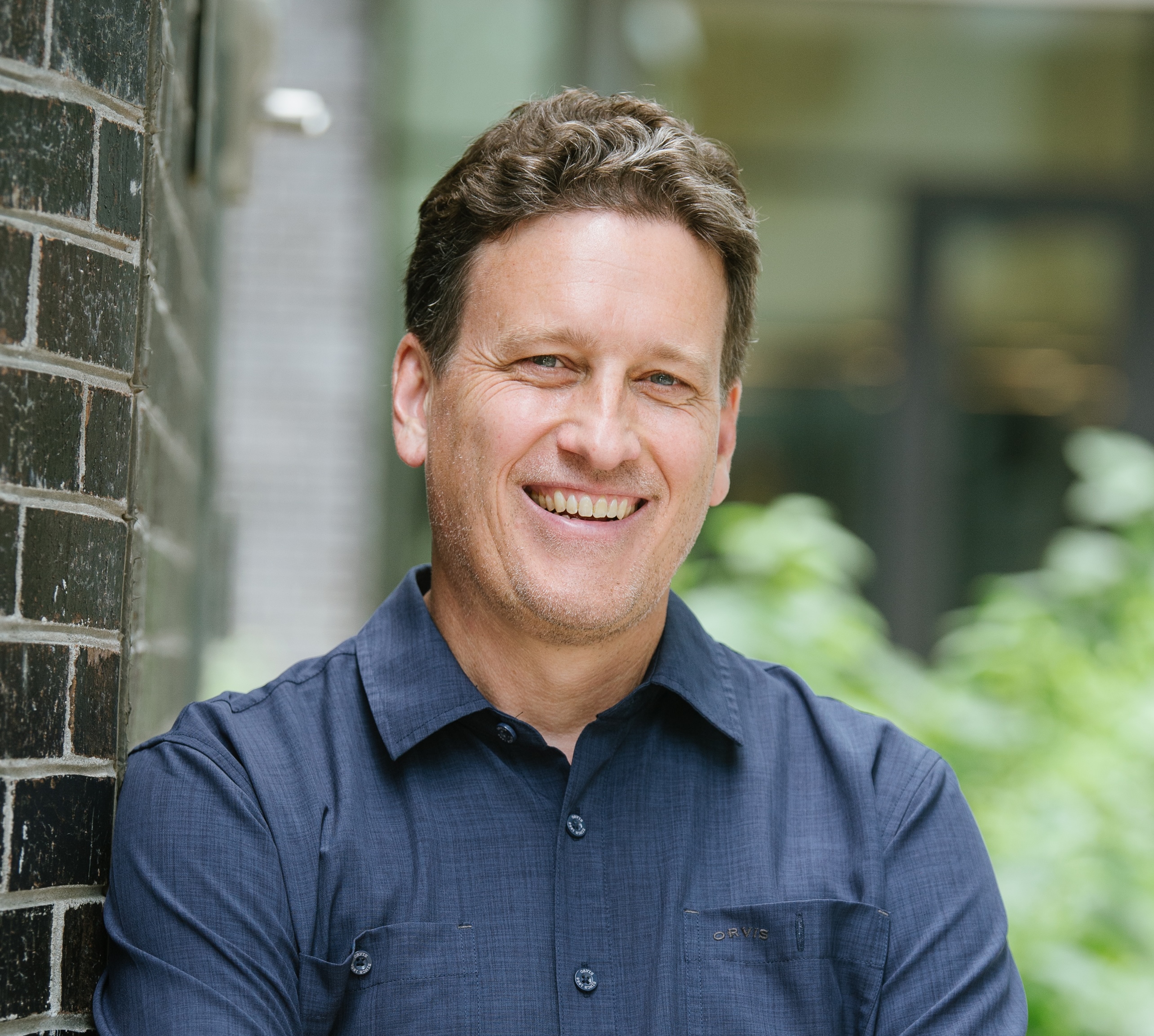
David Luebke
Dr. David Luebke helped found NVIDIA Research in 2006 after eight years on the faculty of the University of Virginia. Luebke received his Ph.D. under Fred Brooks at the University of North Carolina in 1998. His principal research interests are computer graphics, generative neural networks, and virtual reality. Luebke is a Fellow of the IEEE and an inaugural inductee into the IEEE VR Academy. His other honors include the NVIDIA Distinguished Inventor award, the IEEE VR Technical Achievement Award, and Test of Time Awards at ACM SIGGRAPH Asia and the ACM Symposium on Interactive 3D Graphics. Dr. Luebke has co-authored a book, a major museum exhibit, and over two hundred papers, articles, chapters, and patents. Luebke is currently Vice President of Research at NVIDIA, where he runs a group of about 35 researchers focused on "New Experiences".
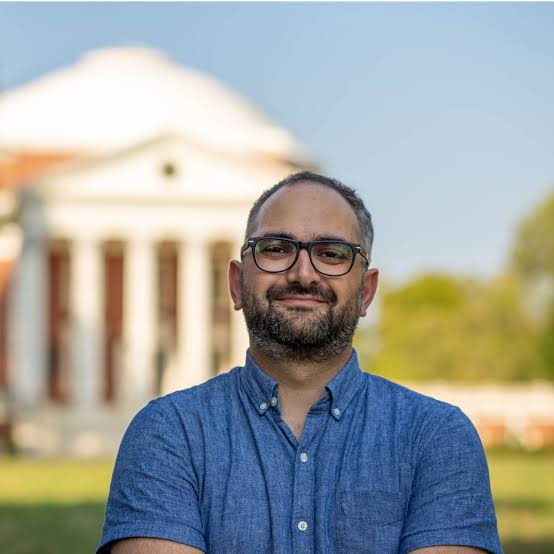
Arsalan Heydarian
Associate Professor, Civil & Environmental Engineering, Link Lab, UVA
Arsalan Heydarian is an Associate Professor in the Department of Civil and Environmental Engineering as well as the UVA Link Lab. His research focuses on the user-centered design, construction, and operation of intelligent infrastructure, aiming to enhance sustainability, adaptability, and resilience. His work is organized into four primary research streams: (1) intelligent built environments, (2) mobility and infrastructure design, (3) smart transportation, and (4) data-driven mixed reality. Dr. Heydarian holds a Ph.D. in Civil Engineering and an M.Sc. in Systems Engineering from the University of Southern California (USC), along with B.Sc. and M.Sc. degrees in Civil Engineering from Virginia Tech. He is also a co-founder of the Omni Reality and Cognition Lab (ORCL Lab), a cutting-edge facility that utilizes virtual and augmented reality technologies to study human behavior and responses to various infrastructure designs.
Moderator

Nicola Bezzo
Associate Professor, Electrical & Computer Engineering, Link Lab, UVA
Nicola Bezzo is an Associate Professor with the Department of Electrical and Computer Engineering at the University of Virginia. Prior to joining UVA in January 2016, he was a Postdoctoral Researcher at the PRECISE Center, in the Department of Computer and Information Science at the University of Pennsylvania (UPenn) where he worked on topics related to robotics and cyber-physical systems security. He received a Ph.D. degree in Electrical and Computer Engineering from the University of New Mexico where he focused on the development of theories for motion planning of aerial and ground robotic systems under communication constraints. Prior to his Ph.D. he received both M.S. and B.S. degrees in Electrical Engineering with honors (summa cum laude) from Politecnico di Milano, Italy. Nicola was the recipient of the 2010 Gold Medal from the Politecnico School of Engineering and the 2011 Best Graduate Student Service Award from the University of New Mexico. He has received the 2016 Robotics and Automation Magazine Best Paper Award and the Best Paper Award at the 2014 CPSWeek International Conference on Cyber-Physical Systems.
Don't Miss: Student & Faculty Flash Talk Speakers
The Link Lab Flash Talks overarching goal is to present the breadth of research happening at Link Lab and familiarize as much of our portfolio as we can to Link Lab and its partners.