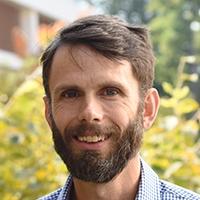
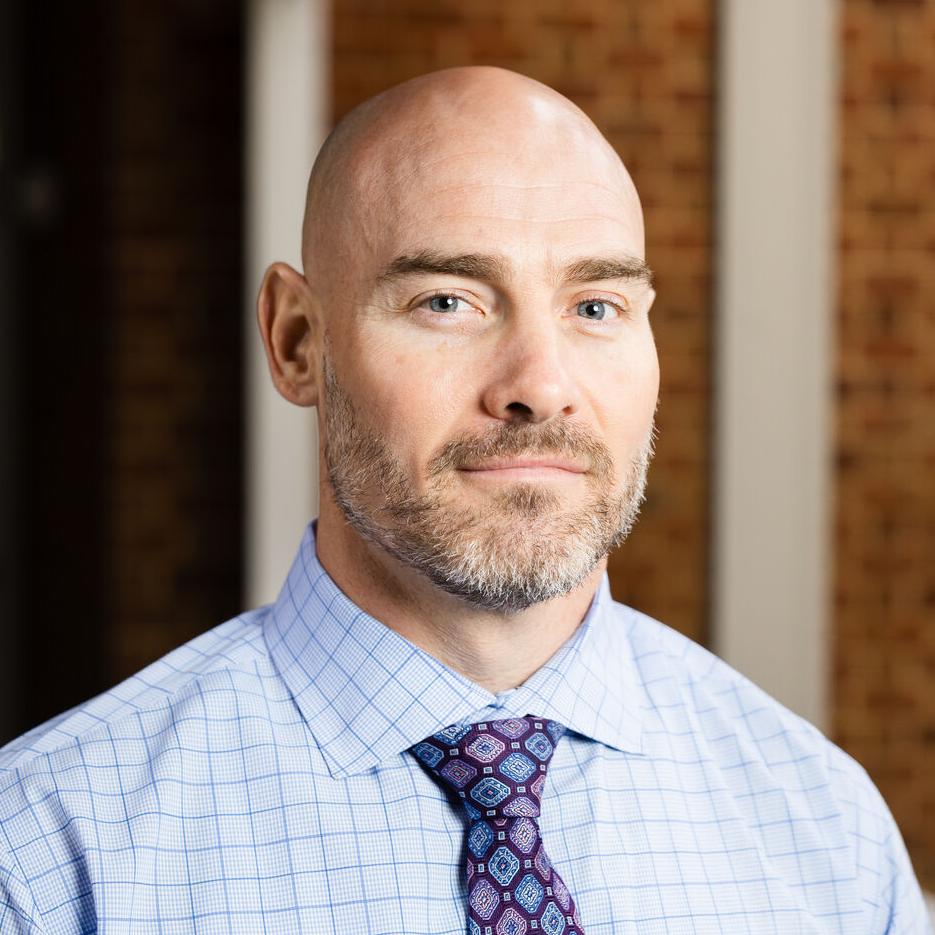
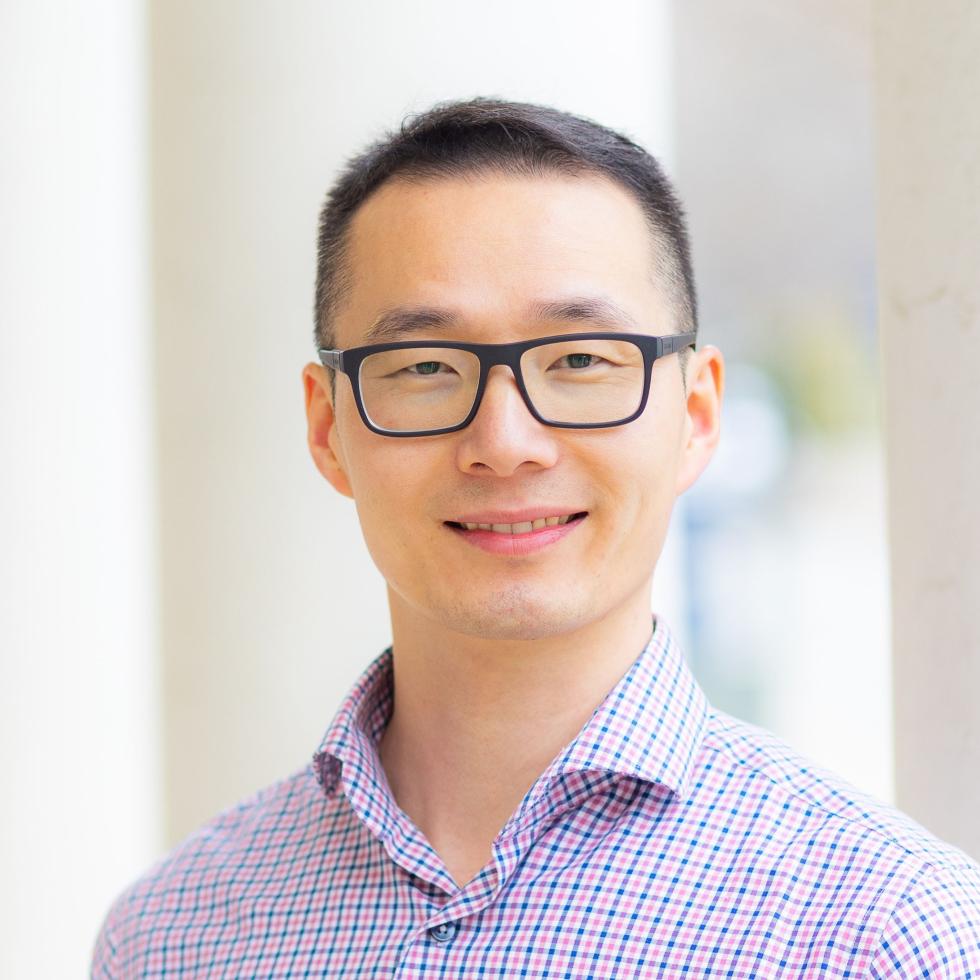
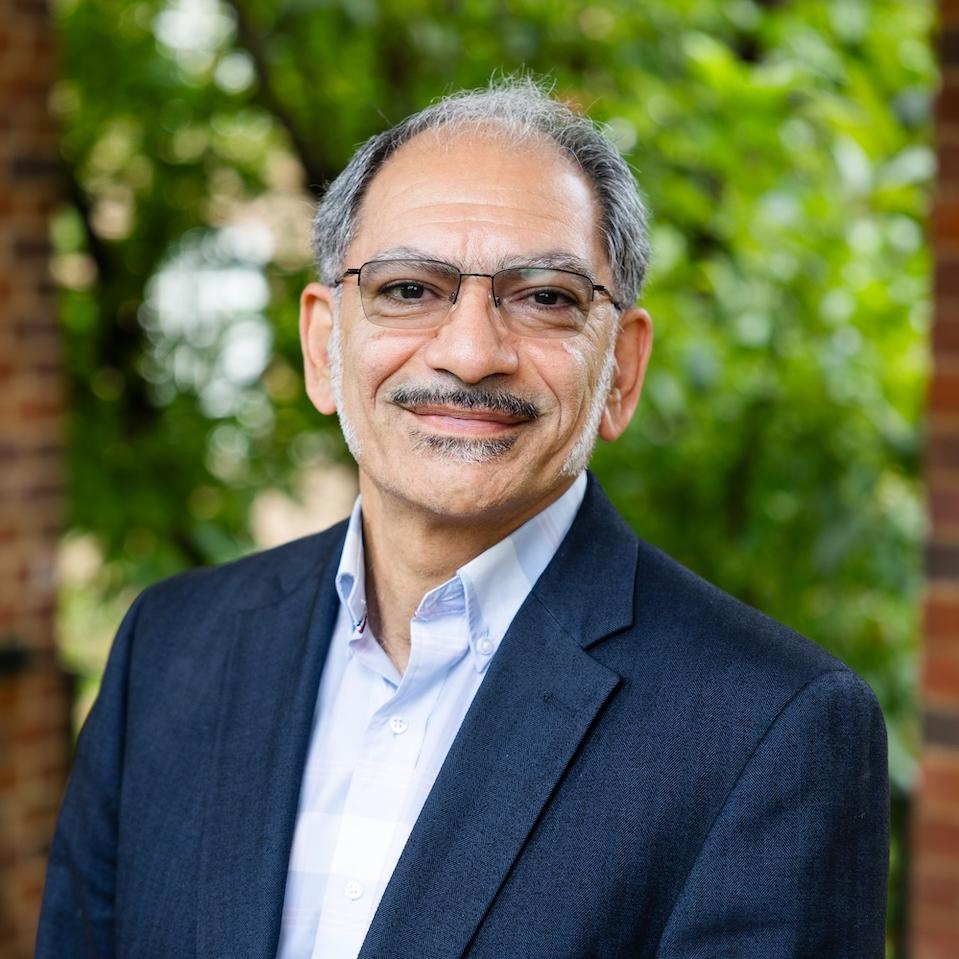
Our faculty are not content to trod well-worn engineering paths. Instead, they are driven to pursue innovations in teaching, research that address truly complex challenges, and to pursue worldwide leadership roles in their fields. See Also: Emeritus Faculty Directory.
William G. Reynolds Professor of Materials ScienceProfessor of Materials Science and EngineeringProfessor, Mechanical and Aerospace Engineering, by courtesy
Currently Recruiting
Our research is focused primarily on metals analysis, including magnesium alloy formability, intermetallic behaviors, and aluminum alloy fatigue.
Heinz and Doris Wilsdorf Research Associate Professor, Materials Science and EngineeringAssociate Professor, Mechanical and Aerospace Engineering, by courtesy
My interests are in materials informatics, density functional theory, machine learning, bayesian inference, and optimal design methods applied to accelerate the search and discovery of novel 2D materials, metallic alloys, ferroic and electronic materials.
Assistant Professor, Materials Science and Engineering
Currently Recruiting
Kory Burns is an Assistant Professor in the Department of Materials Science and Engineering. His research interests include optical excitations in transmission electron microscopy, radiation-solid interactions, in-situ transmission electron microscopy, and advanced characterization of quantum nanophotonic systems.
James Burns is a Professor in Materials Science and Engineering. His research group focuses on the impact of environmental degradation on the mechanical properties of high-performance structural metals.
Copenhaver Fellow, School of Engineering and Applied ScienceAssociate Professor of Materials Science and Engineering Associate Professor of Chemical Engineering Associate Professor of Biomedical Engineering (by courtesy)Associate Professor of Chemistry (by courtesy)
Currently Recruiting
My lab’s research lies at the interface of soft (bio)materials and biology. We seek to understand and control the interactions between soft (bio)materials and living systems to solve challenges in sustainability and health. We do this using a combination of experimental and theoretical approaches.
Assistant Professor, Materials Science and Engineering
W. Streit Cunningham is an assistant professor in the Department of Materials Science and Engineering. His research integrates automation and high-throughput experimentation to accelerate the discovery of materials for extreme environments, including those encountered in nuclear and aerospace applications.
Keivan Esfarjani is theoretical and computational materials scientist. He has pioneered a method to compute phonon lifetimes and thermal conductivity of solids from density functional calculation of force constants. He has held appointments at the Institute for Materials Research of the Tohoku University, UC Santa Cruz and MIT, among others.
My research is centered on materials processing for extreme environments, primarily through the use of laser processing. Specific research areas include surface engineering, additive manufacturing, nanoscale powder coatings, thin films (biodegradable, magnetic and optical), and…
Associate Chair for AcademicsProfessor, Materials Science and Engineering
Jerrold Floro's research is to investigate and exploit nanoscale self-assembly and pattern formation in inorganic materials, to enhance properties and develop material functionality. Techniques include vapor phase thin film growth, laser processing, melting and rapid solidification, powder processing, and solid-state phase transformations.
Associate Professor, Materials Science and Engineering Associate Professor, Chemical Engineering, joint appointmentAssoicate Professor, Mechanical and Aerospace Engineering, by courtesy
Our group focuses on the synthesis of well-defined nanoparticles, their dispersion into polymer solutions and melts, and their suspension rheology. With our fundamental studies, we seek to optimize processing to achieve a desirable microstructure in industrial suspensions, and to set a foundation for developing constitutive rheological models.